Oracy, practised and adjudicated

Oracy is not born. It is trained.

That is what MyOracy is for. Every student gets what practice actually takes: something to say, a clock that runs, and feedback the moment they stop speaking.

The Oracy Record

Oracy

Practice is the part schools cannot resource.

Speaking is learnt by speaking, and every hour of it has to be timed, judged, and fed back by somebody.

A student improves by speaking, being heard, and being told precisely what to change. That costs a room, a clock, and a judge, so most students get it a few times a year and many never at all.

MyOracy holds the clock and the criteria instead. Three practices a student runs alone in minutes, and a full adjudicated round when there is a room ready for one.

In a world ever more technological, the spoken word only grows more significant.

In this number

  1. 01

    Oracy

    Turn to it
  2. 02

    Debate

    Turn to it

No. 01

Oracy

  • Sunlit oak-panelled library with an open reference book and an antique globe on a study desk

    Discover It

    A random topic met cold, 6 minutes research, 2 minutes to explain plainly.

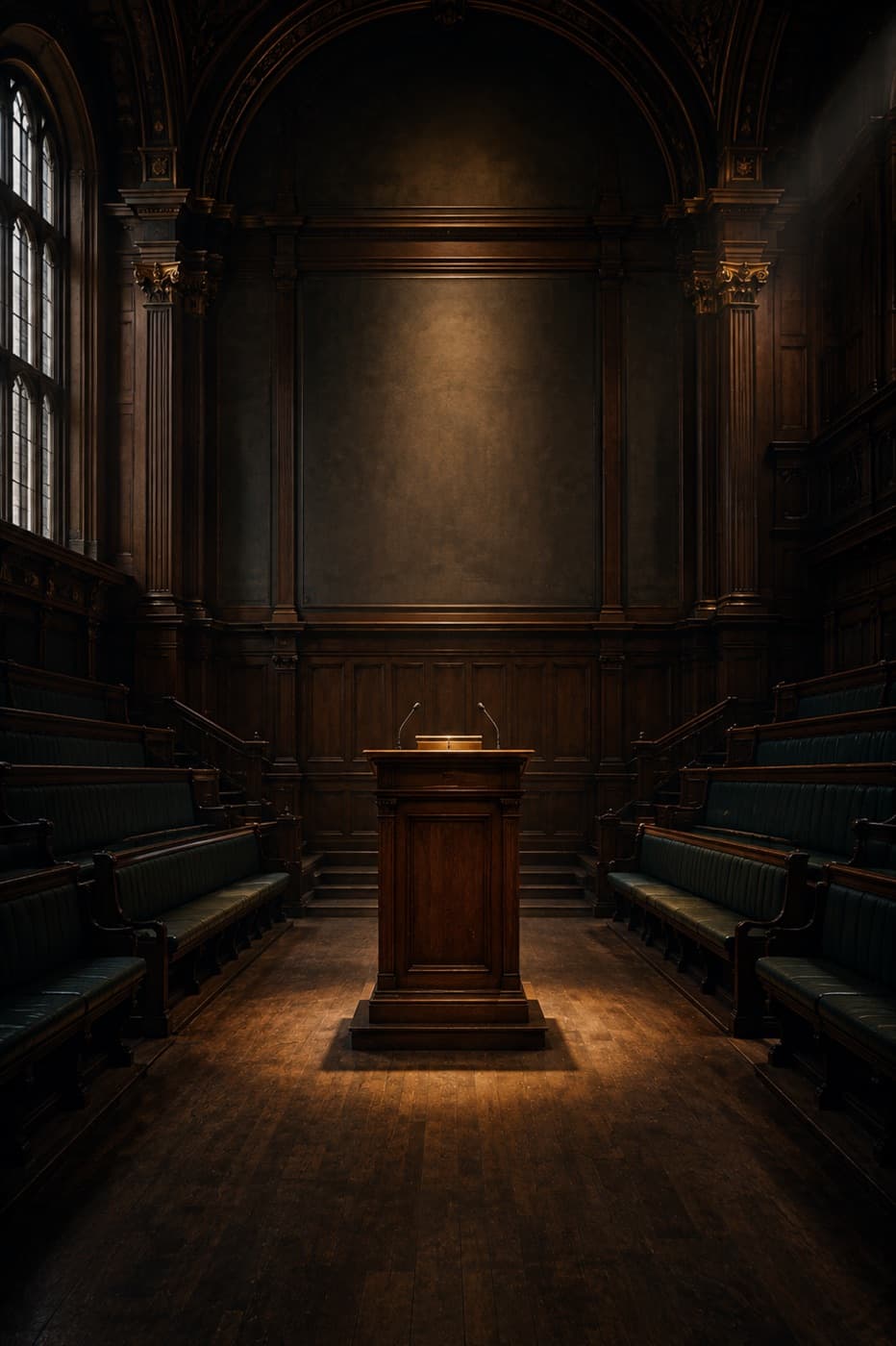
  • Wood-panelled chamber with a raised, spotlit lectern and empty pews on either side

    Teach It

    Your subject, your level, your board, one topic and 2 minutes to teach it.

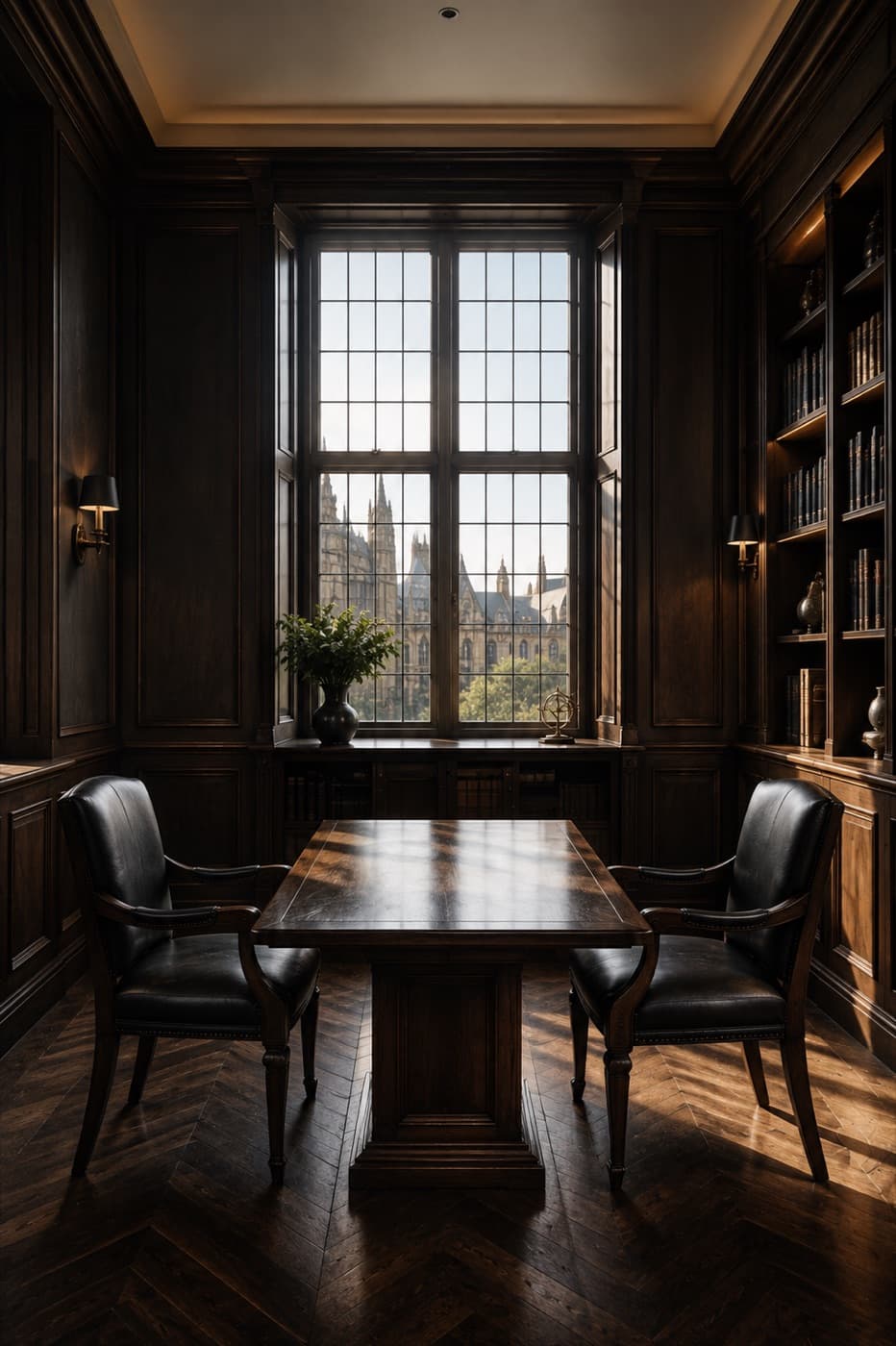
  • Private panelled room with two chairs facing across a table, a tall window overlooking Westminster

    Interview Room

    Five questions asked one at a time, no sight of the next, verdict at the end.

How a solo session is marked

Engineered criteria that mark out of one hundred on three headings, with a verdict written to the student rather than filed.

  • Content

    Whether the idea itself landed for somebody meeting it new.

  • Structure

    An opening, a developed middle, a close, and signposting between them.

  • Style

    Precision of language, continuity of thought, and delivery that holds attention.

No. 02

Debate

Running a round takes a clock, a chair, and a judge with attention left for every speaker. Short of that, feedback comes back general, or late, or not at all. MyOracy is all three, so a coach can coach.

A round, end to end

  1. 01

    Convene

    Motion set, prep allocated, speakers called in order.

  2. 02

    Contest

    Format timings held. Structured arguments. Every word analysed.

  3. 03

    Adjudicate

    Judged under the law of the format, by Adjudica.

  4. 04

    Feedback

    Reasoned feedback on every speech, the moment the round ends.

The formats

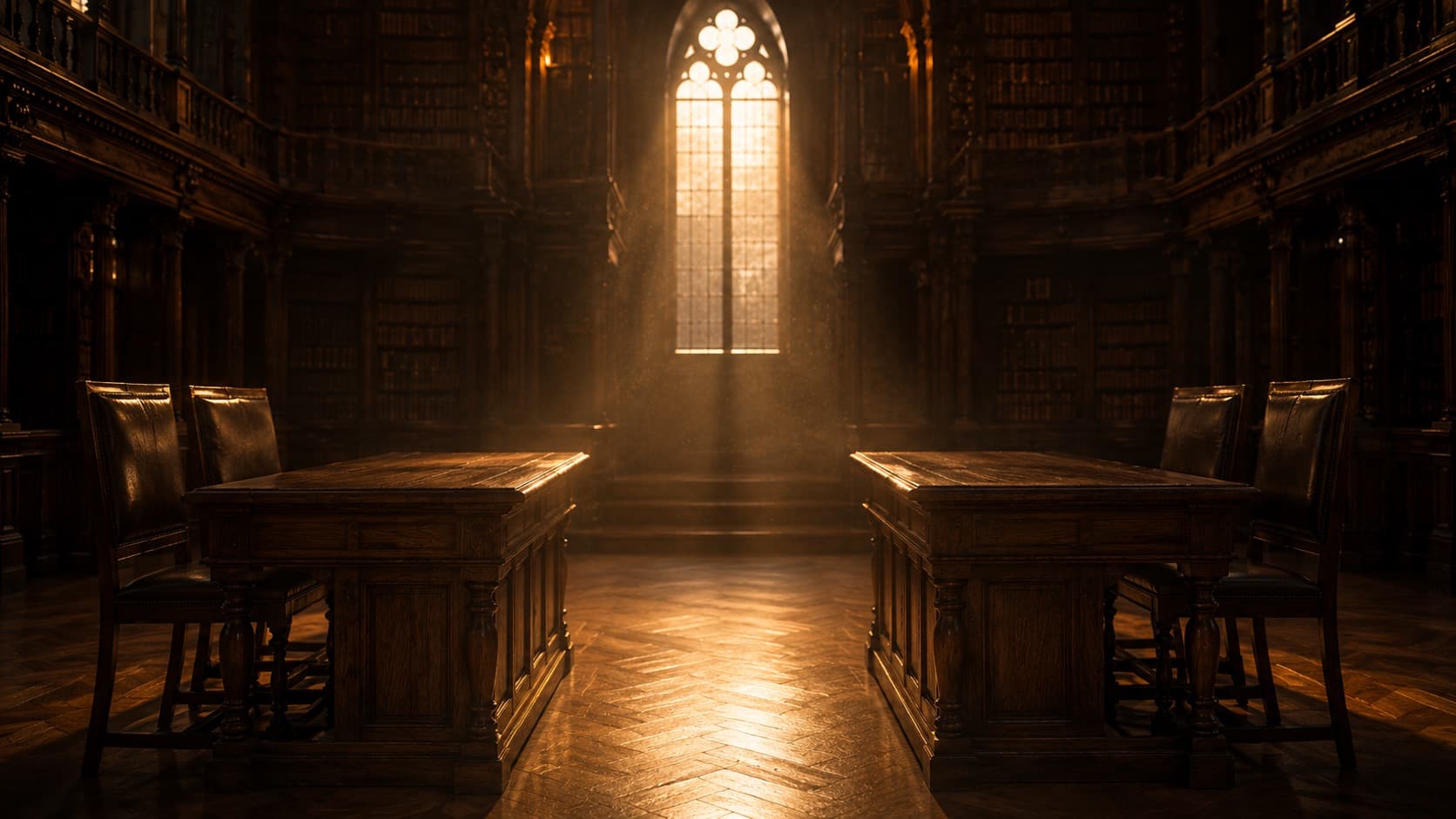
  • Two facing wooden desks in a grand library aisle, lit by a single shaft of window light

    Standard

    Under Adjudica v1.1

    Scored out of one hundred.

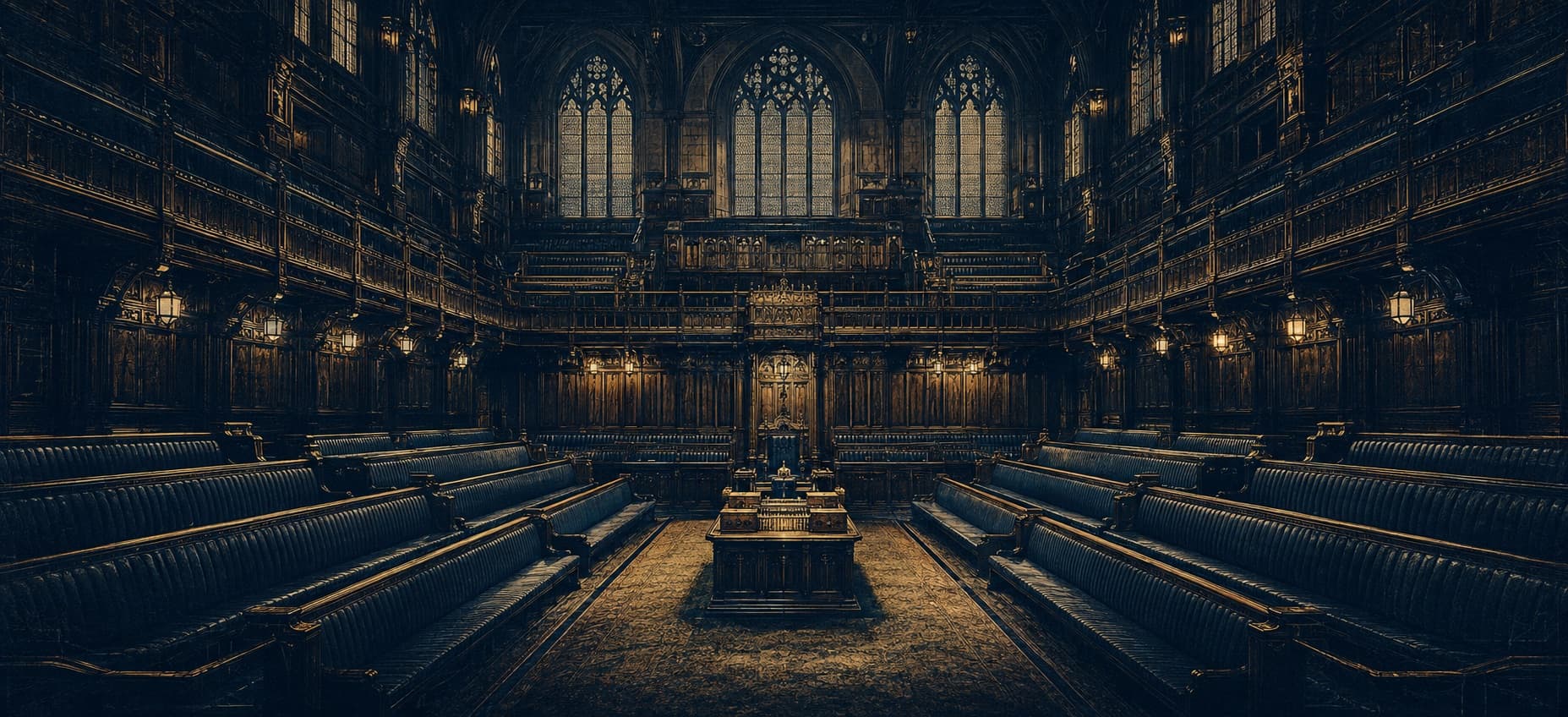
  • Panelled debating chamber with tiered benches facing off around a central dispatch box, echoing the Commons

    British Parliamentary

    Under the WUDC Manual

    Placed first to fourth.

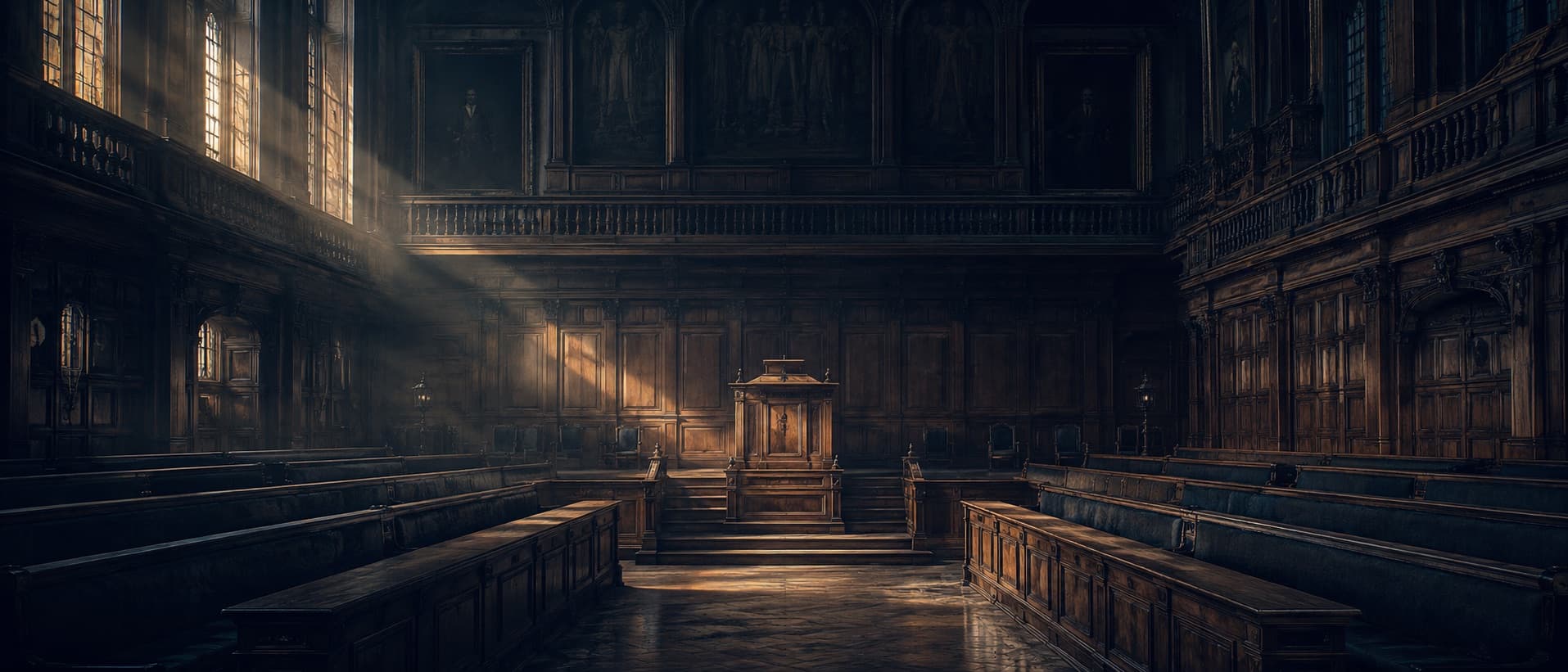
  • Dark academic hall with a raised wooden rostrum, portrait-lined walls and benches on either side

    World Schools

    Under the WSDC rules, Schedule One

    Banded, sixty to eighty.

The verdict

The Adjudica rubric

Three criteria, scored out of one hundred on every speech.

  1. 01

    Content

    The substance of the case: claims, evidence, weighing, and whether the logic actually holds.

  2. 02

    Style

    How it was delivered: cadence, articulation, filler words, and whether the tone carried the room.

  3. 03

    Strategy

    The judgement calls: what you chose to contest, how you prioritised, and whether your rebuttal met their strongest point or their easiest one.

Where the criteria come from.

Assembled from the formats debaters compete in, rather than taken from one of them.

PFPOLICYBPWSDCLDOXFORD

Book a demo

Thirty minutes. We run a live adjudicated round with your debaters, sit an oracy session alongside it, and walk through the verdicts both produce.

We will use these details only to arrange and follow up on your demonstration.